
145km of Water Mains Renewal Complete as Anglian Water Strengthens Its Network Against Leaks
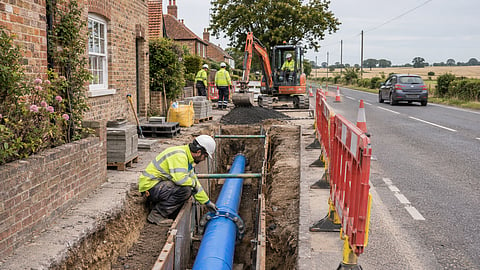
Anglian Water has completed 145km of water mains renewal in the first year of its AMP8 investment program, its largest mains renewal program in more than 20 years. The work forms part of a £348 million investment to replace 1,134km of ageing pipes across the East of England by 2030.
The renewal program is designed to improve network resilience, reduce leakage and support long term water supply for customers and communities. Anglian Water said the replacement of ageing mains is essential to reducing bursts and leakage across its network.
The company is targeting a further 225km of mains renewal during the current financial year. Once the wider program is complete, Anglian Water estimates it will reduce leakage by 940 million liters a year.
The program is being delivered through Anglian Water’s Integrated Maintenance, Repair and Developer Services (IMRDS) Alliance. It uses a range of installation methods, including no-dig techniques, which can reduce disruption to residents, businesses and the environment.
The investment comes as Anglian Water faces rising leakage pressures linked to ageing infrastructure and challenging ground conditions. The company reported 215.27 megaliters of leakage per day in 2025-26, above its target of 182.9 megaliters per day, while reactive mains repairs increased from 3,842 to 4,633.
Anglian Water said around 8,000km of its mains are vulnerable to climate impacts, including shrink swell clay soils that can damage pipes during dry and wet periods. Renewing vulnerable sections of the network is therefore a key part of improving resilience in one of England’s driest regions.