
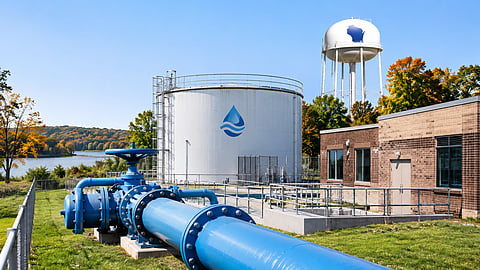
Wisconsin Communities to Receive $371 Million for Drinking Water Projects
Wisconsin is set to provide more than $371 million in financial assistance to 80 communities through its Safe Drinking Water Loan Program. The funding, announced by Governor Tony Evers and the Wisconsin Department of Natural Resources, will support drinking water infrastructure projects across the state
The preliminary state fiscal year 2027 funding list gives priority to small and disadvantaged communities and will support projects addressing contaminants including PFAS, manganese, nitrates and lead. Awards are expected to be made over the next year, with funds disbursed as eligible project costs are incurred.
The package includes federal Drinking Water State Revolving Fund capitalization and Bipartisan Infrastructure Law funding, including dedicated support for PFAS emerging contaminants. It also includes $42.6 million in supplemental funding for lead service-line replacements authorized by Congress under the 2021 bipartisan infrastructure law.
Grantsburg will receive nearly $5.8 million for a treatment facility to address manganese contamination at Wells No. 1 and 2. About $4 million will be principal forgiveness, with the remainder provided at a financially supported interest rate.
Marshfield was allocated nearly $11.2 million, including $7 million in principal forgiveness, to construct a new treatment plant at its southside wellfield to remove PFAS. Hazel Green will receive approximately $1.7 million to replace ageing and unreliable water mains.
The preliminary list will be finalized after a 30-day period during which municipalities may request re-evaluation of their priority scores. Since the Safe Drinking Water Loan Program began in 1998, it and the Wisconsin Department of Administration have provided nearly $2 billion in assistance to municipalities.